

The third and final day of my trip to Bath was mostly spent at the Holburne Museum, where there were three amazing but completely different exhibitions.
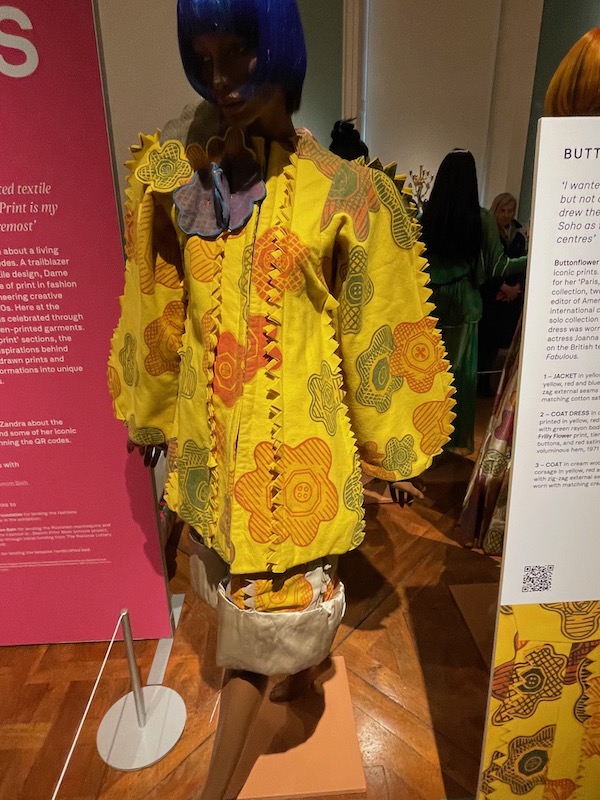
The first was all about fashion, showing the fabulous creations of designer, Dame Zandra Rhodes. Zandra Rhodes: A Life in Print, showcases an amazing collection of her screen-printed outfits dating from the 1960s through to the 1980s.
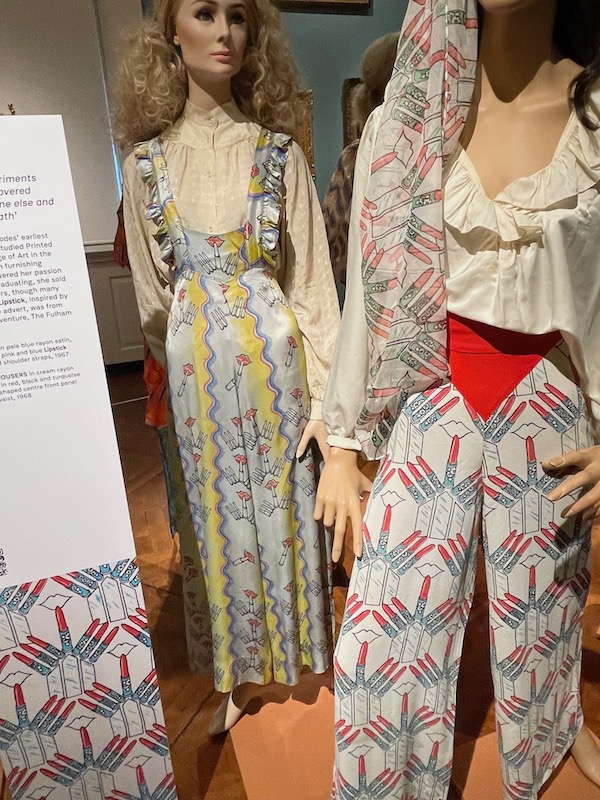
They were displayed on vintage mannequins created by Adel Rootstein. Adel Rootstein was an innovative designer whose iconic mannequins were based on fashionable personalities of the time. Not only did she create them in varying shapes, sizes, and colour, but she was the first to come up with a reclining mannequin. One of her most well-known mannequins was based on Twiggy.
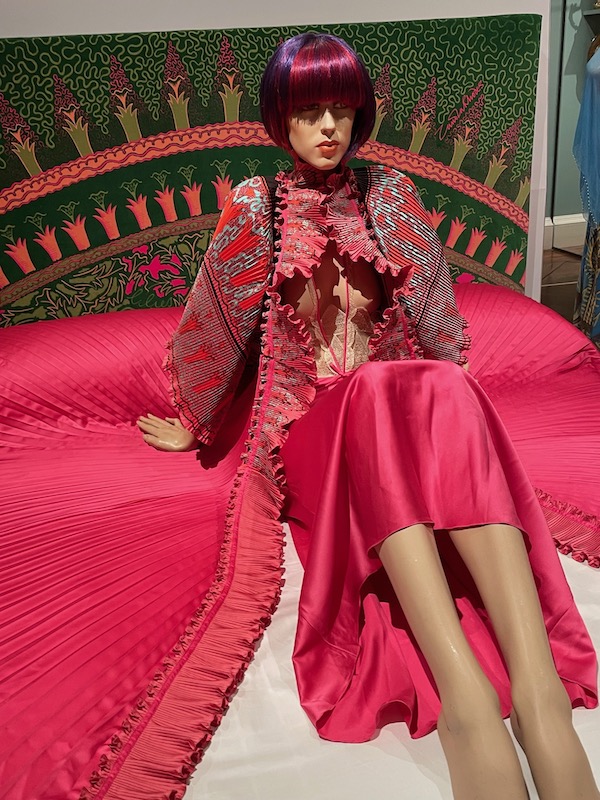
Together with Zandra Rhodes’s iconic designs these mannequins really brought the flavour of these exciting times to to this exhibition.
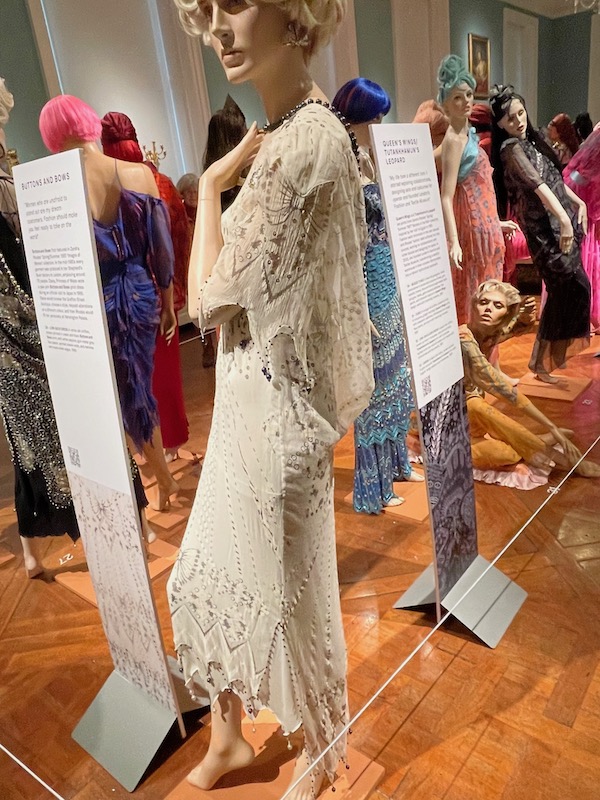
Arranged in themes, the different sections explained the inspiration behind each design. ‘Lipstick’ was one of Rhodes’s earliest designs and was inspired by Pop Art and a magazine advert.
Originally intending to design furnishing fabric, Rhodes changed direction, deciding that dress fabrics were more her thing.
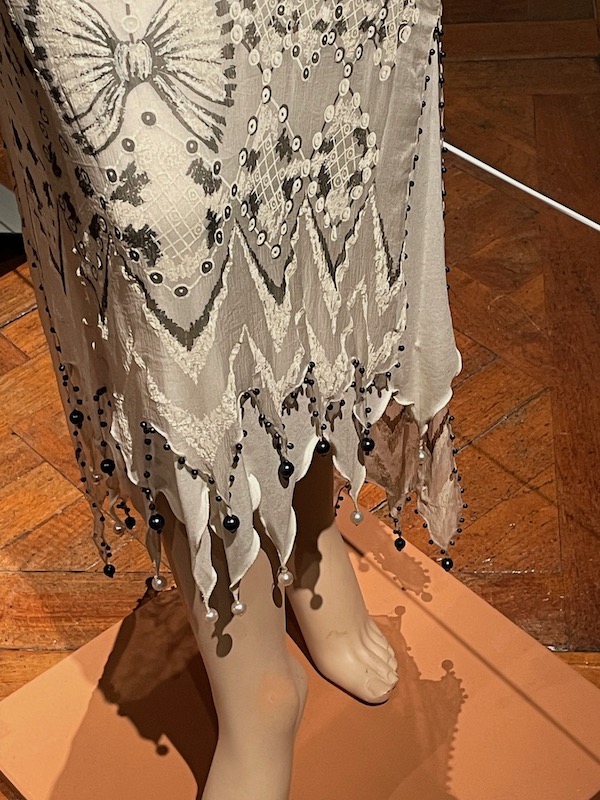
From there, Rhodes progressed to learning about pattern cutting and started constructing her own garments from printed material that she had designed. Even more innovative was the fact that she created garments whose shape was dictated by her printed design.
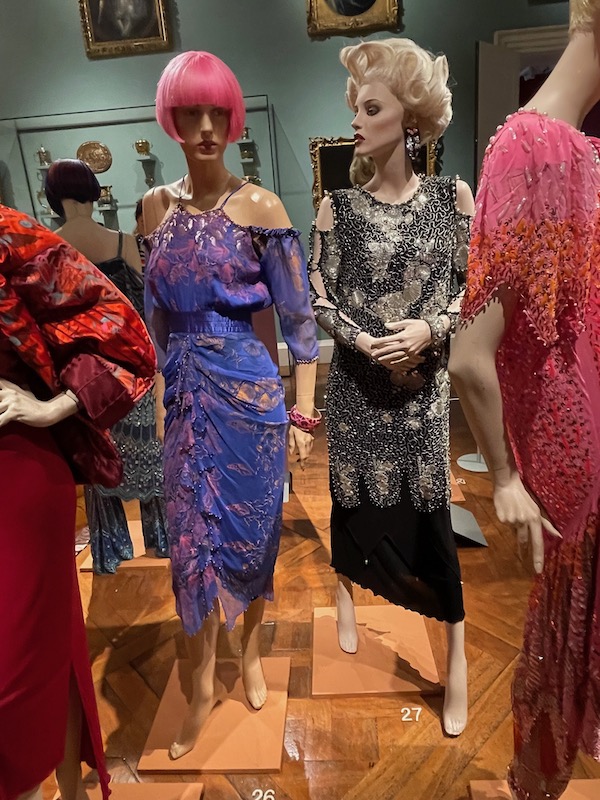
Rhodes’s career took off when she visited New York and met Mrs Vreeland of American Vogue, who introduced her to buyers at the foremost fashion stores.
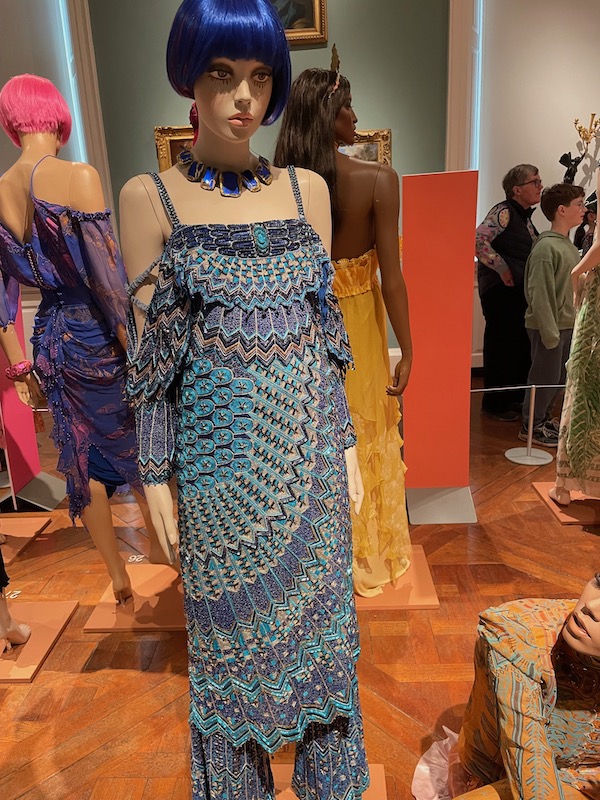
The inspiration for her designs came from such diverse things as a bouquet of lilies, tunics from the Museum of the American Indian, Elizabethan slashed doublets in the Victoria and Albert Museum, and Uluru, the sacred sandstone monolith in Australia.
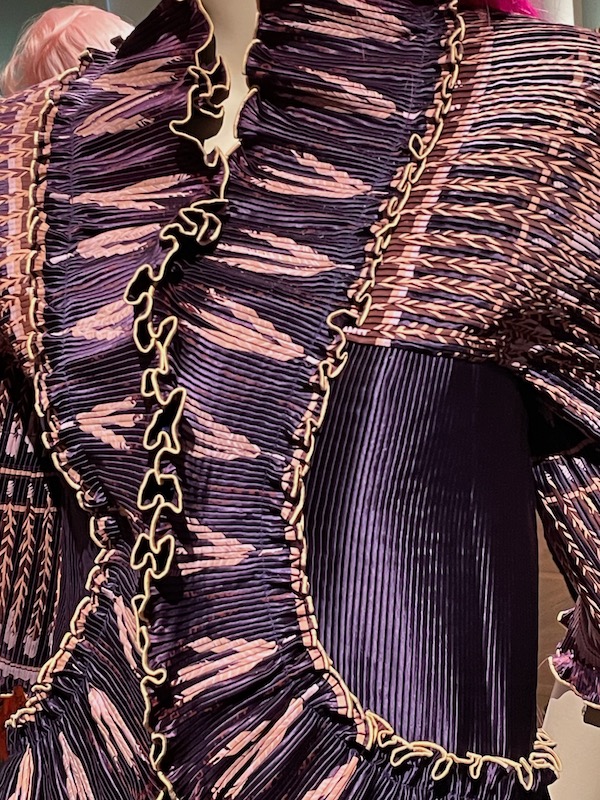
This exhibition runs until 10th May 2026 and even though I’m not a dedicated follower of fashion, it was inspiring and nostalgic for me to see the work of a woman who changed the look of fashion for her generation.
The second exhibition at the Holburne was totally different. Broken Beauty highlights the work of renowned photographer, Sir Don McCullin. It features some of his most well-known black-and-white images documenting poverty, war, and famine.
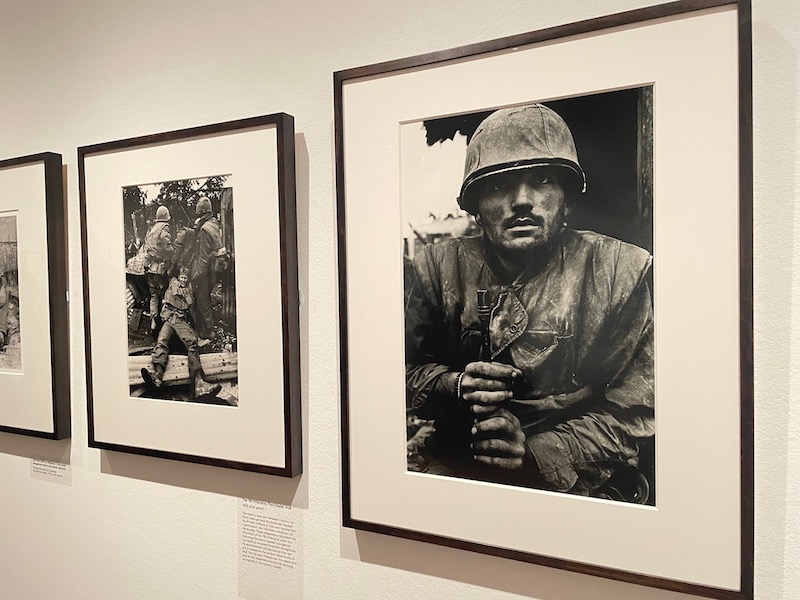
Many of the images were familiar to me. I’m old enough to remember when some of them were first published in the UK newspapers.
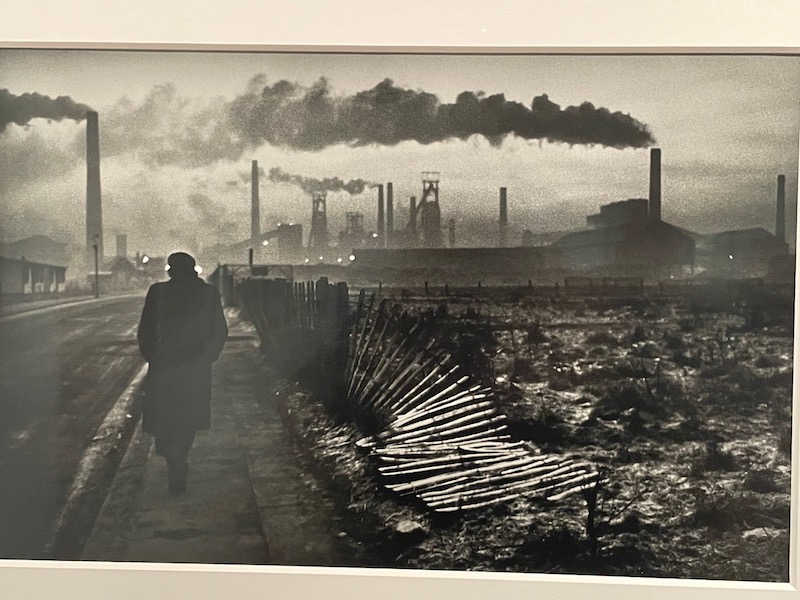
It was interesting to see how McCullin’s more recent work still reflects a pessimism about life, with stark black and white images of rural landscapes and ancient Roman sculptures. Like all of his work, I found them powerful and thought-provoking.
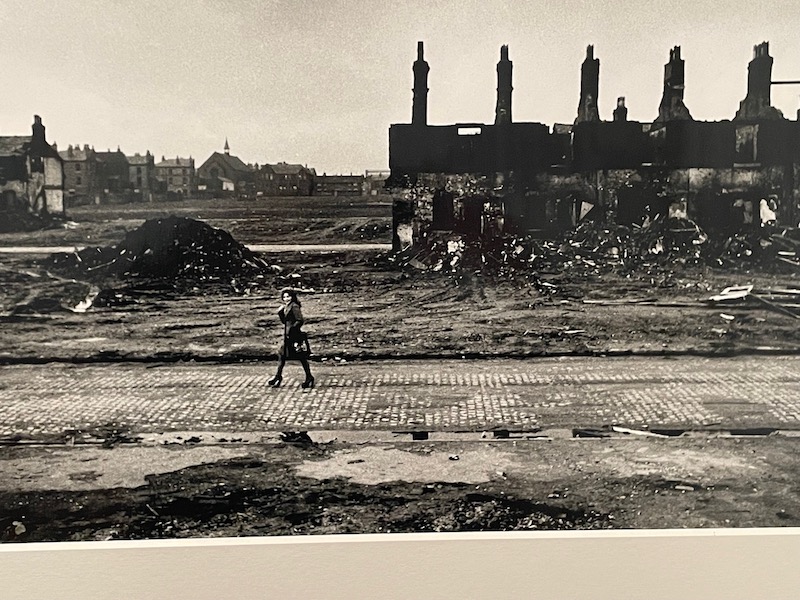
This exhibition runs until 4th May 2026.
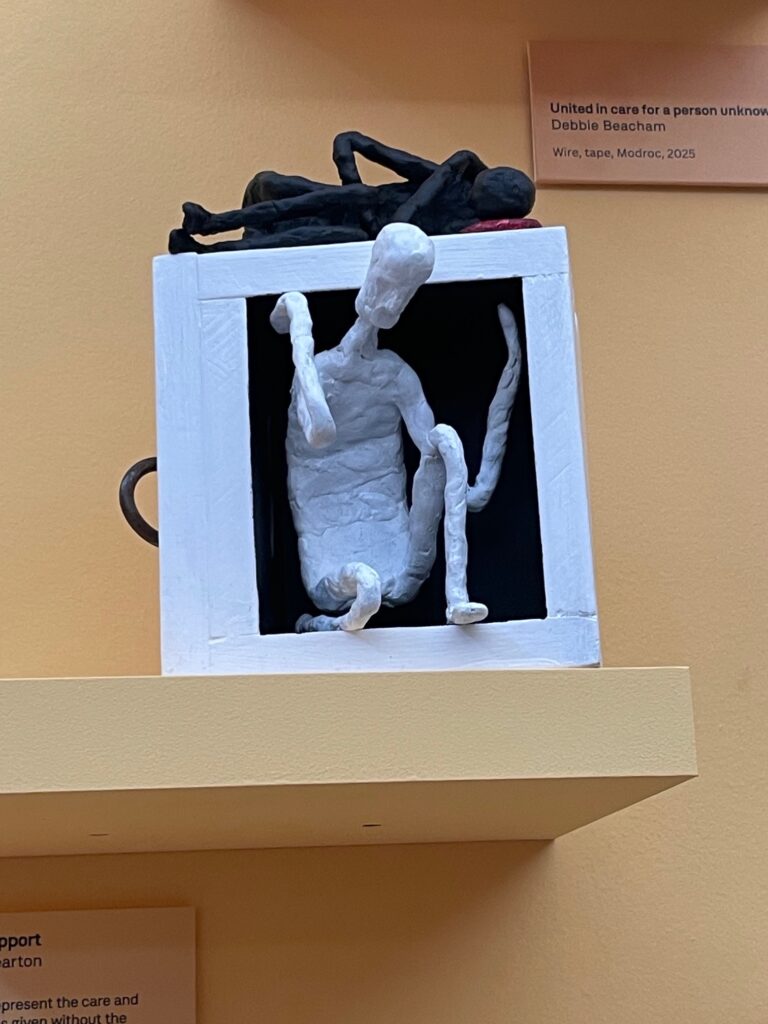
The third and final exhibition, called The Shape of Care, really resonated with me. It was created by individuals with experience of caring for others. Each display encapsulated what caring meant to its creator. I found one so poignant and powerful that it almost brought me to tears as it very much reflected my own experience of caring.
This small exhibition is on until 4th May 2026.
If you are in Bath, here are three excellent reasons to visit the Holburne Museum.